A leak that soaks wall-to-wall carpet is a line-item problem before it is a cleaning problem. You need a written carpet extraction scope that names what the independent restoration pro will pull water from, and what stays in drying or rebuild. If those sit on one lump charge, you cannot tell a restoration job from a shampoo pass.
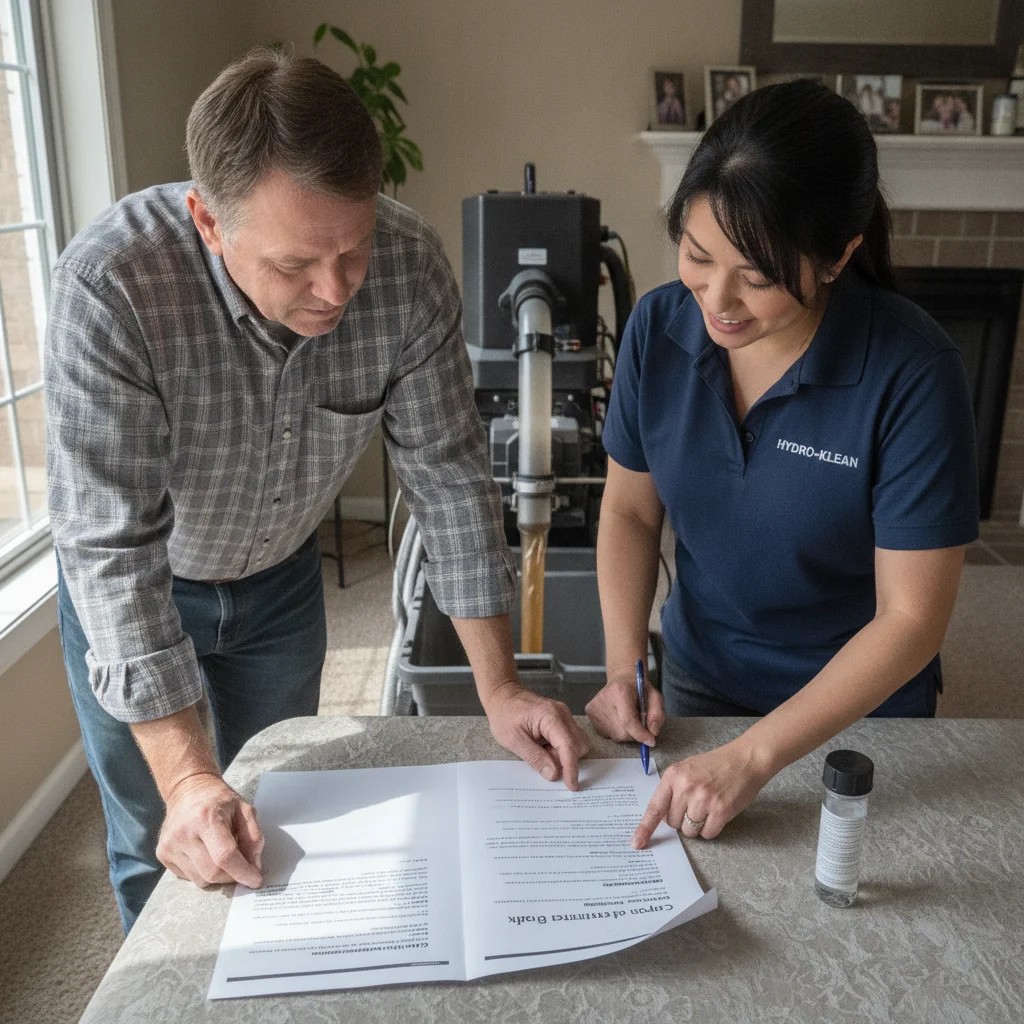
Separate extraction from drying and repairs
Carpet water extraction removes standing water and the water held in the carpet assembly. It is not structural drying. It is not pad replacement, tack-strip work, or baseboard repair. Those may follow on later lines.
A store-rental carpet cleaner sprays solution and sucks some of it back. That is maintenance cleaning. A restoration extractor is on site because a supply line, washer, water heater, or slab leak put bulk water into the floor. If a proposal says “extract and clean,” ask which job it is.
Ask the independent pro to split the written scope into three parts. Extraction: where water will be pulled, from which layers, and how they will show those layers no longer hold free water. Drying: air movement and dehumidification after the pull, with moisture readings on a written log. Repairs: anything they will cut, lift, replace, or rebuild. Compare bids on those parts, not on a one-line carpet flood charge.
San Diego housing makes that split real. A Mira Mesa tract home on slab often holds water in the pad and sends it sideways into the next room. A North Park bungalow on a raised floor can hide the same leak in the crawl space while the face yarn looks only damp. Encinitas marine-layer humidity slows evaporation after the pull. El Cajon rooms can feel dry at the surface while the pad is still wet.
The EPA’s mold guidance is plain. Fix the plumbing problem as soon as you can, and dry items completely. Extraction starts that dry-out. It does not finish it. Get rooms named, the area they intend to extract, and the layers named. If furniture must move so the wand can reach, that is a line item too.
Compare carpet, padding, and subfloor items
Treat the floor as three assemblies, not one wet carpet. Face yarn and backing are one. Padding is two. Subfloor, plywood or slab, is three. A complete carpet water extraction scope describes each, even when the recommendation is extract this, replace that, or leave the third.
Carpet face can release a lot of water to a wand. Padding often holds more, and it wicks. If the pad stays, ask how the independent pro will extract through it, and how they will prove it is dry later. If the pad comes out, that is demolition, not extraction. Both can be correct. Press that split in our post on wet padding after extraction.
Subfloor is the item most lump-sum quotes hide. On a San Diego slab, water that bypasses the pad sits on concrete and under tack strip. On a raised floor in University Heights or South Park, the same leak can wet plywood and joist bays. Ask whether subfloor moisture will be read, and whether that work sits in this scope or in a separate drying scope. Wet subfloor after a leak is its own problem.
Write the comparison yourself if the bid is not itemized. Carpet: stay, lift to dry, or pull. Padding: extract in place, or remove. Tack strip and baseboard: stay or come off so edges can be extracted. Subfloor or slab: readings only, or active drying. Rooms: named, with adjacent rooms as check-only or in-scope.
A Clairemont ranch with a hallway leak is not the same as a Chula Vista two-story with water on the stair landing. Adjacent rooms belong on the page. If they are absent, treat them as unpaid extras. Do not let anyone promise the carpet will be saved. Salvage is a later call, after moisture and contamination are known.
Ask how nearby walls will be checked
Water in carpet does not stay in carpet. It moves to the tack strip, under the baseboard, and into the first inches of drywall. A scope that never mentions walls is a floor-only bid on a room that is not floor-only.
Ask three things in writing. How will the independent pro check the bottom of the walls: meter readings, an infrared scan followed by a meter, or a look only. How far up the wall they will check, as a method, not a guess. What happens if the reading is high: extraction stays on the floor, or wall work is a change order.
Pay attention to outlets and switches at floor level. If electrical devices or circuits are wet or near water, the CDC’s electrical-hazard guidance is to shut power at the main breaker only when you can reach it without stepping into standing water. Otherwise you call an electrician. Nobody should run extraction equipment while standing in water, or flip wet switches.
San Diego condos add a wall you do not own. In Mission Valley, UTC, and downtown stacks, a soaked corridor carpet can wet the bottom of a neighbor’s wall. Ask whether shared walls and HOA common area are in the check, and who authorizes work there. A house in Spring Valley does not have that constraint. If the independent pro will pull a short section of baseboard to inspect, put that on the visit or on a follow-up. Silence is not a plan.
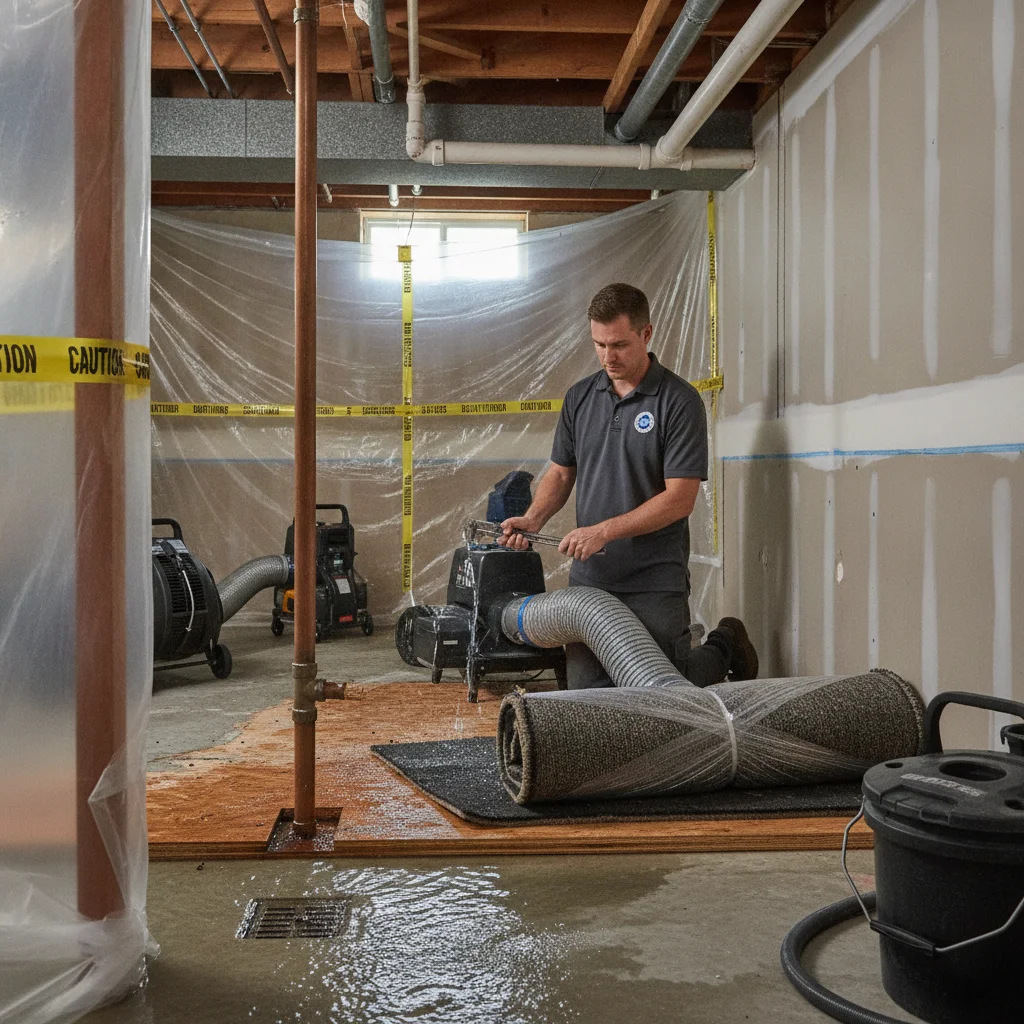
Identify work that sits outside the scope
A tight extraction scope is useful because of what it refuses to swallow. Plumbing repair is not extraction. The leak has to be stopped, often by a separate licensed plumber, before restoration work is more than a second flood. Drywall, paint, and flooring install are rebuild. Furniture pack-out is contents work. Mold remediation is a different trade when growth is already there.
The EPA is direct on contaminated water. If the water or any mold damage came from sewage or other contaminated water, you call a professional experienced with that kind of damage. Toilet overflows that leave the bowl, washed-in storm water, and some older South Bay line failures can put unsafe water in the pile. That work is not a carpet-cleaning add-on. It needs its own sewage cleanup scope.
If you already see mold, EPA guidance for homeowners is that a patch under about 10 square feet is often a DIY cleanup using their mold and moisture tips. Larger growth, or a lot of water damage, means you consult their remediation guidance and a licensed remediation pro. Do not paint or caulk over moldy surfaces. Do not run HVAC you believe is mold-contaminated. None of that is carpet extraction.
Ozone machines sold as air cleaners are not a substitute for pulling water. The EPA’s review of ozone generators found little cleaning benefit at concentrations that stay within public health limits, and ozone can be harmful. If a proposal includes ozone as the moisture plan, ask what actually gets extracted.
Restore Pro SD does not perform the work, set prices, or warrant the job. The independent pro you hire does. Read what water extraction removes, and what it leaves behind when you want the physical leftover, not the line items.
Verify the independent pro before work starts
Restore Pro SD is a referral service. We match you with licensed, independent local water damage professionals. We do not hold a contractor license, we do not send a brand crew, and we do not own the extractors. You contract with the pro. You pay the pro. You verify the pro.
Start with the California Contractors State License Board. Use the CSLB license check. Confirm the number is active, the business name matches the proposal, the classification fits the work, and there is no current suspension. IICRC credentials such as water restoration or applied structural drying are voluntary industry certifications. They are not a California license. They do not replace CSLB.
Match the name on the proposal to the name on CSLB. A DBA on a truck door is not enough. Ask who will be on site, and whether subcontractors will extract, dry, or rebuild. If more than one firm is involved, each one gets a license check.
Read our guide on how to verify a water damage restoration company before you sign. Then walk the written carpet extraction scope one more time: extraction separate from drying, carpet and pad and subfloor named, walls checked, out-of-scope trades listed. If a line is still vague, it is not in the job.
When to call us
Call when bulk water is in the carpet and you need a licensed restoration pro to put a real extraction scope on paper, not a cleaning flyer. That is especially true after a supply-line break, washer failure, or water that may be contaminated. Call us at (858) 400-4586 and we’ll connect you with a licensed local restoration pro.